
Balancing dating with a demanding career in New York City can feel especially complicated. Here in Manhattan, where late nights at the office and long commutes are the norm, many high-performing professionals quietly wonder how to build a meaningful relationship without losing momentum at work.
At Midtown NYC Therapists, we work with adults navigating exactly this tension. As a group practice founded by Jason Marx, Psy.D., LCSW, CGP, we specialize in helping people reconnect with who they are beneath the pressure to achieve. Balancing love and ambition starts with understanding yourself, your patterns, and the future you want to wake up to ten years from now.
Why Balancing Dating and Career Matters
When we’re climbing in our careers, it’s all too easy to let personal connections take a back seat, sometimes until we look up and realize we’re feeling isolated, anxious, or burned out. The interplay between work and romantic life isn’t just about logistics; it’s foundational for our well-being and life satisfaction. If we focus solely on professional progress and let relationships unravel, anxiety, low self-esteem, and even identity struggles can follow, a pattern reflected in research showing that work–family conflict is consistently associated with lower couple relationship quality (Fellows et al., 2016).
This isn’t just theory. High-performing adults, especially in fast-paced cities like New York, frequently reach out for support around balancing work and emotional life. Emotional fulfillment, intimacy, and social support actually fuel better job performance, helping us rebound from stress and stay grounded. Conversely, chronic neglect of our personal needs has a sneaky habit of affecting self-worth and motivation, as outlined in self-esteem therapy.
If you’ve ever felt that your ambition and your heart were at odds, you’re not alone. Creating space for both career and meaningful connection isn’t a luxury, it’s crucial for resilience, emotional security, and even long-term professional growth. The right balance doesn’t just reduce stress; it creates more room for joy and a sense of wholeness, which can be transformative in ways that echo through both boardrooms and bedrooms.
Establishing Boundaries for Healthy Work-Life Balance
The foundation of balancing a thriving career with a fulfilling dating life is the ability to set and maintain boundaries. That word, boundaries, can sound a bit clinical, but in practice, it means carving out real, protected space for both your personal needs and professional responsibilities. After all, who hasn’t let a late-night work email or a surprise deadline sabotage a hard-won evening together?
Intentional boundaries aren’t just about managing a packed schedule, though that’s a part of it. They also act as a safeguard against burnout and resentment, letting us show up more fully in both work and love, a dynamic supported by meta-analytic research showing that work–family conflict is strongly linked to stress and reduced well-being, while social support buffers those effects (French et al., 2017). Without clear lines, it’s way too easy to let work bleed endlessly into home life, making a healthy work-life balance difficult to maintain, or to let the demands of a new relationship throw professional momentum off track.
This section sets the stage for digging into the nuts and bolts of boundary-setting, both emotionally and logistically. The upcoming sections will offer detailed guides for creating that much-needed separation and protecting time for connection, so you’re not just playing catch-up in either area of your life.
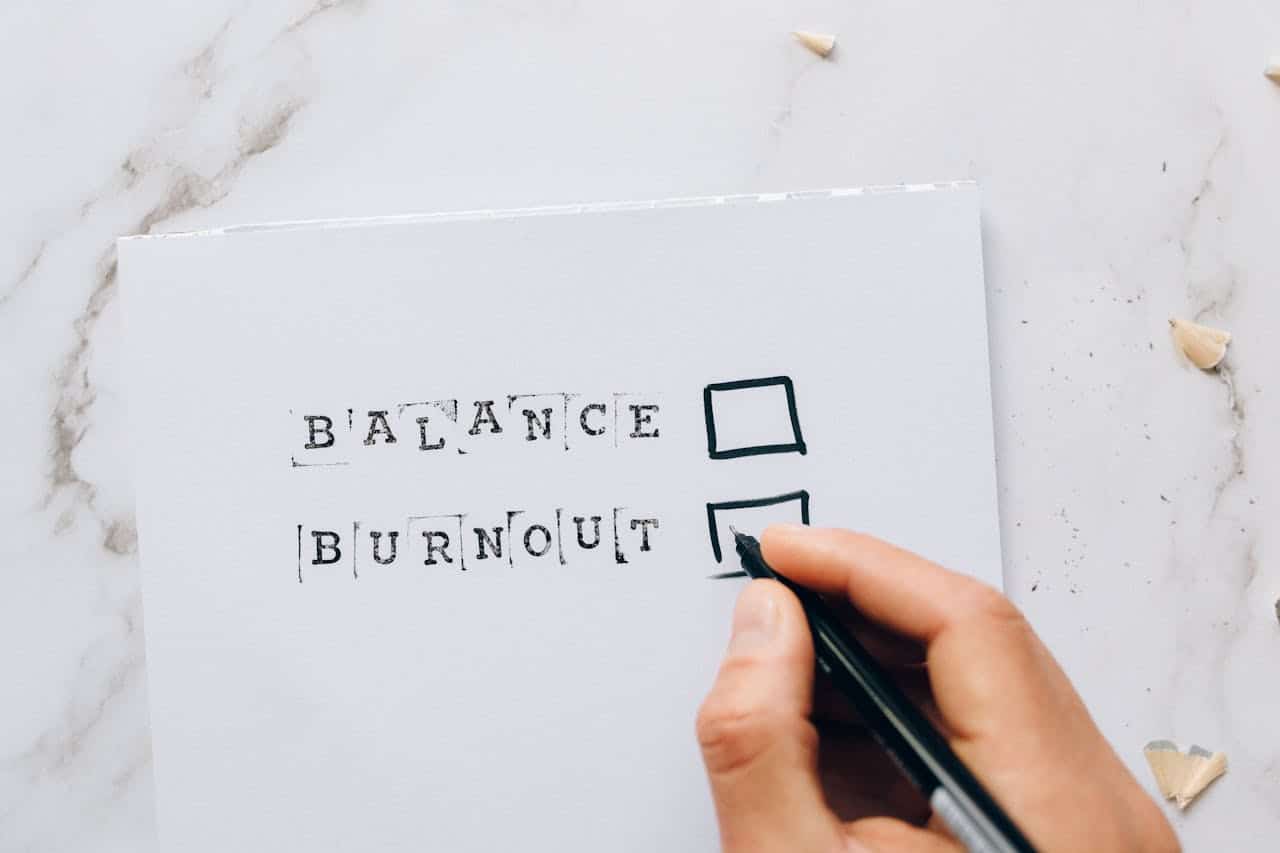
Setting Boundaries Between Work and Personal Life
- Set clear end-of-day rituals: Create a signal to yourself and those around you that work is done, maybe shutting down your laptop, taking a walk, or cooking dinner. This helps your brain switch from professional to personal mode.
- Implement device-free time: Dedicate at least 30-60 minutes each evening where screens and work emails are strictly off-limits. Use this time for conversation, relaxation, or quality time with your partner to reinforce boundaries.
- Schedule regular check-ins with your partner: Set aside time each week to talk openly about workload, relationship needs, and any adjustments necessary for keeping balance.
- Recognize and manage guilt or FOMO: Notice when feelings of guilt or fear of missing out creep in, journal about these moments or discuss them with a trusted confidant to develop greater emotional self-awareness.
- Advocate for your boundaries: Practice communicating your boundaries to colleagues or clients, so that your personal time is respected and you model self-advocacy in action.
Managing Work Schedule and Date Night Commitments
- Communicate proactively about busy periods: Let your partner know in advance if your work schedule will get hectic. This sets clear expectations and reduces confusion or disappointment around canceled plans.
- Use calendar tools collaboratively: Share digital calendars with your partner to coordinate date nights or special events, making it easier to plan around deadlines and meetings.
- Create consistent rituals: When possible, reserve a recurring night each week for dates, even if it’s something simple, building reliability helps nurture connection, even in the busiest months.
- Plan for backup options: If emergencies derail original plans, have a go-to backup activity, a phone date, a shared meal, or a walk, to keep intimacy intact.
- Build in transition time: Allow a buffer between work and date nights to decompress, ensuring you show up emotionally present instead of frazzled.
Communication Skills for Dating While Working
If there’s a secret sauce for balancing dating and a demanding job, communication has got to be it. Being upfront and emotionally available, especially in the middle of a packed week, makes all the difference. It isn’t always easy to say, “I’m swamped right now,” or “I really need some offline time,” but that kind of honesty creates trust and resilience in the relationship.
People sometimes worry that talking about work stress or setting boundaries will come off as selfish or distant. The opposite is true: clear, emotionally intelligent conversations set a tone of partnership and support. When both people know what to expect and feel invited to share their own needs or worries, it’s much easier to weather the tough weeks and keep romance alive, even when schedules get tight.
Up next, we’ll break down practical approaches for explaining your availability, setting realistic expectations with your partner, and checking in emotionally, so you can stay connected, even when work is demanding the lion’s share of your time.
Clear Communication About Dating and Career Expectations
- Be upfront about your schedule: When dating, share your work commitments and likely availability from the start. This helps shape realistic relationship expectations.
- Discuss priorities together: Don’t avoid talking about career ambition. Share your aspirations and listen to your partner’s, making space for mutual respect and understanding.
- Set expectations before busy spells: If you foresee travel or crunch time at work, talk about it early. Honest discussions reduce the risk of resentment and help your partner feel included in your life.
- Check in on changing needs: As your career develops, revisit the conversation. Flexibility and ongoing dialogue support both partners’ growth and satisfaction.
Maintaining Connection Through Emotional Check-Ins
- Schedule brief daily check-ins: Even a five-minute conversation or text exchange can keep you both feeling seen and valued, no matter how busy life gets.
- Set aside deeper sharing sessions: Aim for one meaningful conversation each week where both of you can share not just updates, but actual feelings and needs.
- Establish relationship rituals: Whether it’s a nightly gratitude exchange, a shared walk, or a weekend breakfast together, consistent rituals reinforce intimacy.
- Practice self-assessment: Periodically pause to notice your own stress, energy, and emotional availability, this is key for preventing burnout in relationships. If you notice chronic exhaustion, check out resources about burnout therapy to regain your balance.
- Ask for partner feedback: Invite honest input about how both of you are feeling, and be open to tweaking routines if the connection is slipping.
Time Management and Prioritization for Relationship Success
There’s no way around it, professional ambition and relationship investment will always compete for our time and focus. The trick lies in stepping back and making conscious choices about what matters most and when. If we’re not intentional, it’s easy to default into “work now, love later”, but that’s a recipe for regret over the long haul.
Assessing and aligning what’s most important requires more than calendar juggling. It means getting honest about your core values and priorities, then translating insight into action. Maybe that’s rescheduling a meeting for a special date, or holding certain work goals less tightly during a relationship milestone. Creating clear priorities can reduce decision fatigue and make it easier to focus your time and energy where they matter most. The next sections offer tools for defining priorities and maximizing quality togetherness without shortchanging your career dreams.
Prioritization of Career Ambition and Relationship Goals
- Clarify your top 3-4 goals: Write down your biggest professional and relationship ambitions to keep them visible and actionable.
- Choose priorities for each season: Acknowledge that some phases will be more career-heavy, while others require more energy for love, being conscious about this helps avoid accidental neglect in either area.
- Practice real-time trade-offs: When a conflict pops up, weigh the emotional and professional costs, sometimes the best choice is postponing work, sometimes it’s rescheduling a date, but let it be intentional.
- Revisit your priorities often: As life shifts, so will your goals and needs. Regularly reassessing helps ensure your choices align with your current values. If this process sparks anxiety or feels overwhelming, connecting with professionals specializing in anxiety therapy can be invaluable.
Creating Quality Time Even with a Busy Schedule
- Integrate micro-dates: Ten-minute coffee breaks, shared lunch hours, or quick phone calls throughout the week can add up to a big impact on connection.
- Declare technology-free evenings: Even one night a week without devices lets you focus on each other and build intimacy, no matter how crazy things get outside.
- Start the day together: A shared morning walk or breakfast can become a grounding ritual that sets a positive tone for both partners all day.
- Combine errands with connection: Turn necessary chores into opportunities for togetherness, shopping, meal prep, or even cleaning can be surprisingly good bonding time when you do it collaboratively.
- Celebrate small wins: Acknowledge achievements in both career and relationship with mini-celebrations, these moments reinforce gratitude and joy amid the grind.
Managing Work Stress and Embracing Self-Care
We all know work stress doesn’t clock out just because the workday ends, and research confirms that it often spills over into family and romantic relationships, affecting mood, patience, and overall connection (Repetti & Wang, 2017). For high-performing professionals, chronic pressure or unrelieved burnout can spell trouble not just for ourselves, but for our partners as well. The relationship suffers when we show up exhausted, distracted, or irritable.
Embracing self-care is about more than bubble baths or gym selfies. It means developing routines, big and small, that restore energy, anchor us emotionally, and keep burnout at bay. These practices can look different for everyone, but the underlying goal is the same: sustaining both our ambition and our capacity for meaningful relationships.
The following sections break down practical steps for managing work stress and building a self-care regime that fortifies you for both love and career heights.
Reducing Work Stress to Improve Relationship Quality
- Establish work boundaries: Decide when and where work is allowed to intrude on your personal life. Turn off notifications after a certain hour and stick to it.
- Adopt mindfulness practices: Just a few minutes of deep breathing, meditation, or mindful walking helps decompress after work and clears your head before connecting with your partner.
- Build decompression routines: Create rituals following stressful days, a favorite playlist, a quick workout, or even a silent cup of tea, that signal to your mind and body that it’s time to shift gears.
- Communicate stress levels: Let your partner know when you’re maxed out, so you can adjust expectations or ask for support before irritability takes over.
- Seek professional help if needed: When stress runs deep or starts to impact physical and relational health, consulting experts in therapy for stress is a wise move
Building a Self-Care Routine That Supports Both Career and Dating
- Exercise regularly: Keeps stress levels in check and boosts mood, important for work energy and relationship patience.
- Pursue creative hobbies: Activities outside work help break up routine stress and give you something new to bring into conversation with your partner.
- Schedule true downtime: Intentionally plan hours without productivity, rest isn’t a luxury, it’s essential for resilience.
- Try out therapy: Deep, ongoing self-work with a professional can transform both your approach to work and your capacity for love.
Long-Term Goals and Values Alignment in Love and Career
Bouncing between work deadlines and relationship milestones is a fact of life for most of us, but real harmony comes only when our long-term visions for both areas line up. Values alignment isn’t about being carbon copies of our partners; it’s about making sure that our ambitions, dreams, and non-negotiables fit together enough to avoid future heartbreak or regret.
Taking the time to reflect honestly on what you want in love and career, and then talking about it openly, can save years of misunderstandings down the road. If we’re not careful, we might chase career goals that clash with a partner’s life plan, or seek relationship milestones we’re not quite ready for. The next sections provide prompts and reflection tools for mapping out mutual goals and assessing your readiness for deeper relationship commitment, so both ambition and romance can grow on solid ground.
Aligning Long Term Goals and Relationship Values
- Reflect on core values: List your top personal values and ask your partner to do the same. Notice where your lists overlap and where they diverge.
- Share long-term visions: Have open conversations about what you both want five, ten, twenty years out, this might include career moves, family, travel, or community life.
- Check compatibility early: Don’t wait for conflicts to arise. Assess whether your goals are compatible at the start of serious dating, using supportive and curious dialogue.
- Reassess and realign over time: Regularly revisit these discussions, since career opportunities or personal dreams may shift. This ongoing check-in helps you adapt, not just react.
- Seek outside perspective if stuck: Sometimes a neutral third party, like a qualified therapist, can help clarify whether values alignment is possible or if deeper work is needed.
Knowing When You’re Ready for Relationship Commitment
Being ready for a relationship commitment goes beyond just liking someone or feeling “sure.” It means you have a solid understanding of yourself, emotional availability, and clarity about your current career stage. Readiness shows up as the ability to communicate needs clearly, support a partner’s growth, and adapt to shared life changes without chronic resentment or reactivity.
Key signs include knowing your own non-negotiables, having realistic expectations about balancing work and love, and being open to compromise when priorities clash. Whether you’re thinking about moving in together, marriage, or new levels of vulnerability, it’s crucial that your decisions feel authentic and sustainable, both for your heart and your ambition.
Professional Dating Tips for Busy Career-Driven People
Juggling a full calendar and trying to find romance can feel overwhelming, especially for those with big goals and little downtime. The good news is, there are focused strategies professionals can use to keep their dating life vibrant without letting work eat up all the oxygen in the room. Practical, not just theoretical, because theory never helped anyone through a late-night conference call, right?
This section gathers tools and insights tailored for high-achievers, from leveraging your social and professional networks, to learning how to be genuinely vulnerable when your day-to-day revolves around achievement. By working smarter, not just harder, you can dodge common pitfalls and actually enjoy the dating process, and we’ll outline specific ideas next so you can thrive at both work and love.
Avoiding the Workaholic Trap in Relationship Building
- Recognize early warning signs: Notice if you consistently cancel plans or talk only about work, these can signal workaholism creeping in, a pattern shown to negatively affect relationship quality through spillover into home life (Bakker et al., 2009).
- Resist all-or-nothing thinking: Remember, you don’t have to choose between success and connection, it’s about sustainable routines, not perfection.
- Block out protected time: Schedule non-negotiable windows each week for rest and partnership, and treat them as high priority as any work meeting.
- Check in with your partner: Invite feedback if they feel neglected, listening and adjusting proactively keeps resentment at bay.
Support Systems and Resources for Dating-Career Balance
Even the most successful professionals can’t go it alone when balancing the demands of work and love, especially in the fast-paced, often isolating energy of New York City. Having a solid support system, alongside targeted resources, can be a total game changer. Sometimes that means reaching out for professional insight, sometimes it’s about expanding your network, and sometimes it’s about tapping into specialized dating or personal growth services.
This section dives into practical aids like online therapy tailored for high-achieving adults, in-person support groups, and matchmaking services built for people who are ambitious and short on free time. By viewing personal growth and connection as ongoing processes and not something to “fix” overnight, we can move from scarcity and stress to a mindset of real abundance and possibility. For those seeking lasting change, exploring services highlighted at Midtown NYC Therapists may prove invaluable.
When to Seek Support from Online Therapy or Counseling
It might be time to seek support from online therapy or counseling when you notice recurring anxiety, constant relationship conflict, or chronic burnout that doesn’t resolve on its own. Persistent difficulty navigating boundaries or emotional overwhelm are classic signals as well. Professional help, especially with providers who understand both career demands and relational issues, can make a dramatic difference.
Online therapy offers accessible, flexible appointments that fit busy NYC lives, focusing on anxiety, stress, and relationship growth. If deeper issues crop up, specialized clinicians familiar with the New York professional landscape can offer targeted, sustainable strategies for managing complex challenges.
Exploring Matchmaking Services and Personal Growth Resources
- Professional matchmaking services: Tailored to career-focused individuals, these can save time and connect you with like-minded partners ready for commitment.
- Dating apps for busy professionals: Choose platforms that let you filter by lifestyle and career goals, reducing wasted time and mismatches.
- Personal growth workshops: Many organizations offer evening or weekend seminars focused on building self-awareness, emotional intelligence, or relationship skills for high-achievers.
- Coaching for abundance mindset: Some services address limiting beliefs about love and work, helping you adopt a more expansive, possibility-oriented perspective.
Next Steps for Integrating Love and Ambition in Your Life
- Reflect with self-inquiry exercises: Write down your current work and relationship needs, what’s missing, and where you’d like to grow next.
- Try journal prompts: Explore questions about your emotional boundaries, recent successes, or how career ambition and romantic goals interact on the page.
- Explore therapy or professional support: If you’re stuck, consider connecting with depth-oriented therapists specializing in high-pressure environments, start by researching practices or visiting resources.
- Identify one actionable change today: Whether it’s scheduling your next date, blocking out work-free evenings, or sharing your calendar with your partner, put something on the calendar before you forget.
Conclusion
Balancing dating and career isn’t about achieving the perfect schedule, it’s about being intentional, honest, and compassionate with ourselves and our partners. Protecting time, communicating openly, and managing stress might take effort up front, but they pay off in resilience and satisfaction, both at work and at home. Even when life gets busy, small steps toward alignment and self-awareness open up new possibilities for connection and success. With support and clarity, you can absolutely thrive in both arenas.
Frequently Asked Questions
How can I set boundaries if my job expects me to be available 24/7?
It’s tough, but not impossible. Start by identifying non-negotiable times for rest or connection, and clearly communicate these boundaries to your manager or team. If possible, use automated notifications or “out of office” markers during set personal hours. Regularly reassess with leadership to advocate for your well-being, and consider seeking professional support if persistent overwork threatens your relationship or health.
What if my partner and I have very different work schedules?
Differing schedules can be managed. Prioritize communication and get creative, like planning micro-dates, phone check-ins, or shared rituals at odd hours. Use shared calendars and set recurring “together” times, even if brief. If tension or resentment builds, work together to renegotiate expectations, and consider couples therapy if schedules threaten long-term connection.
How do I stay emotionally available for dating when I’m burned out?
Bouncing back from burnout starts with honest reflection and self-care, prioritize rest and recovery first. Communicate openly about your energy levels, and explain to your partner what’s going on. Establish boundaries at work and ask for understanding while you rebuild emotional reserves.
How do I know if my career goals and relationship goals align?
Start with individual reflection, write out your long-term visions for both work and love. Share these openly with your partner in a low-pressure setting. Notice if there’s core compatibility, as well as areas for negotiation. Consider scheduling regular check-ins to revisit these issues as goals evolve.
Is online therapy really effective for busy professionals?
Yes. Online therapy offers flexibility, confidentiality, and access to high-quality providers who understand the demands of ambitious or fast-paced lifestyles. Sessions can fit around complicated schedules without sacrificing consistency.
References
- Repetti, R. L., & Wang, S. (2017). Effects of job stress on family relationships. Current Opinion in Psychology, 13, 15–18.
- Fellows, K. J., Chiu, H.-Y., Hill, E. J., & Hawkins, A. J. (2016). Work–family conflict and couple relationship quality: A meta-analytic study. Journal of Family and Economic Issues, 37, 509–518.
- French, K. A., Dumani, S., Allen, T. D., & Shockley, K. M. (2017). A meta-analysis of work–family conflict and social support. Psychological Bulletin, 144(3), 284–314.
- Bakker, A. B., Demerouti, E., & Burke, R. (2009). Workaholism and relationship quality: A spillover-crossover perspective. Journal of Occupational Health Psychology, 14(1), 23–33.